

Lock value first. Share access second.
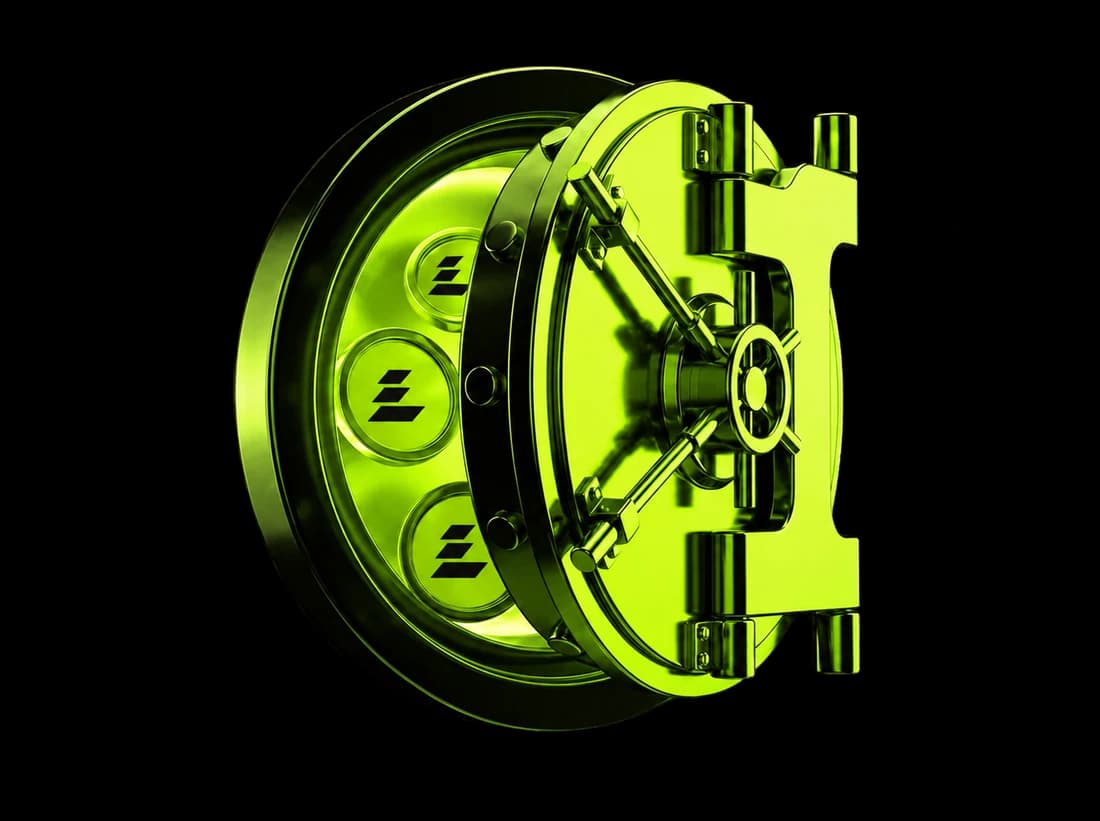
PayLink turns a transfer into controlled access: the sender locks USDC in a claim vault, creates a password, and shares a link that can be opened without choosing the receiver wallet up front.

A claim link proves intent, not identity.
The link carries the path to the locked value while the secret gates the release. The recipient claims from their own wallet only after the code matches, keeping the send flow clean and wallet-agnostic.
PayLink is an ever-growing Solana toolkit with claimable drops, swaps and private sends. Get on-chain access to vaults, password-locked transfers and the techniques behind privacy-first crypto.
Claimable Drops
Token Swap
Private Send
USDC Vault
Stealth Address
Expiring Drops
Multi-Claim Splits
Wallet History
Portfolio
Receive (QR)
SPL Tokens
Memo + Fees
Reclaim Expired
Password Locks
Jupiter Swap
Helius Indexer
Anchor Vault
Solana
Features.
Claimable Transfers
PayLink locks value in a per-link vault on Solana instead of sending it straight to a wallet. The sender creates a claim link behind a 4 digit code, and the receiver unlocks it into their own wallet — paying 0 SOL. USDC, SOL, USDT and xStocks — you pick the asset when you create the link.
Vault Locking
Claim Links
Password Hashes
PDA Vaults
USDC · SOL · Stocks
One-time Claims
Expirations
Sender Reclaim
Intent Access
No Recipient Required
Fragment Keys
Controlled Release
Privacy by Intent
PayLink does not promise invisible money; it removes the direct recipient handoff. Amounts and claims remain on-chain, while access is gated by the secret so value can move through a shareable link without exposing a fixed destination wallet up front.
No Direct Wallet Send
Asset Isolation
On-chain Validation
SHA-256 Secrets
Claim Conditions
Burner Wallet Friendly
Minimal Backend
Transparent State
Multi-claim Splits
Stealth Upgrade Path
Solana
Claim Audits
One Claim Link.
Every Locked Transfer.
Whether you are locking funds, sharing a password link, or letting a receiver claim from a vault, PayLink turns the flow into one clean intent. No fixed recipient wallet at send time. No complex escrow UX. Just controlled access.

Frequently Asked
Questions
PayLink turns money into a claimable link on Solana mainnet. Instead of sending to a wallet address, you lock the value behind a 4 digit code and share a link. Whoever has the link and the code claims it into their own wallet — no app, no signup, and 0 SOL on their side.